
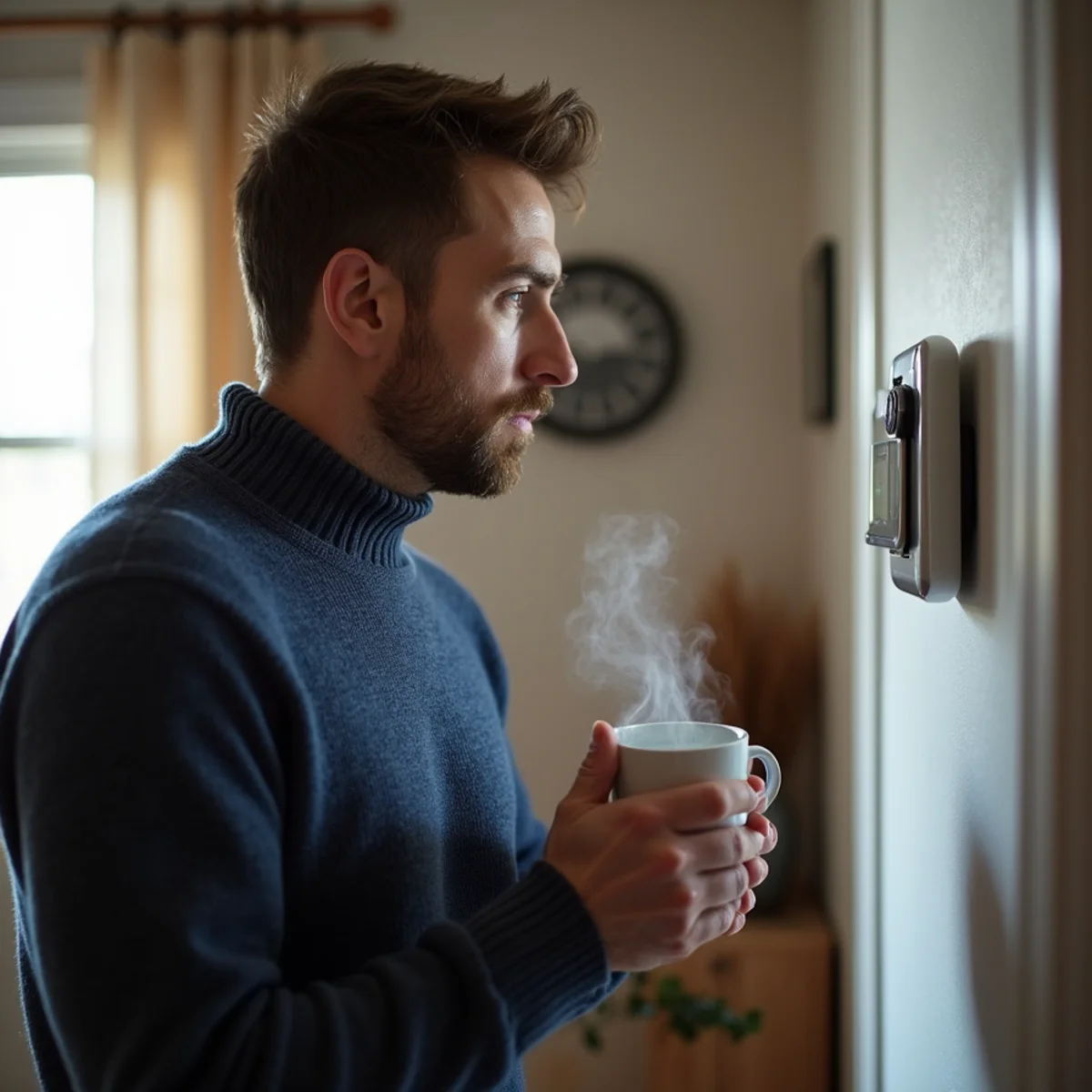
If your furnace or boiler suddenly stops heating during a cold snap in Morristown, check these four critical items first: verify the thermostat display is active and set to 'HEAT' at least 3 degrees above room temperature, confirm the emergency furnace power switch (red wall plate) is set to 'ON', check your main electrical panel for a tripped breaker, and ensure the gas supply shutoff valve is parallel with the pipe. If you smell gas or suspect carbon monoxide, leave the home immediately and call 911 rather than troubleshooting.
1. The Thermostat Display, Mode, and Batteries
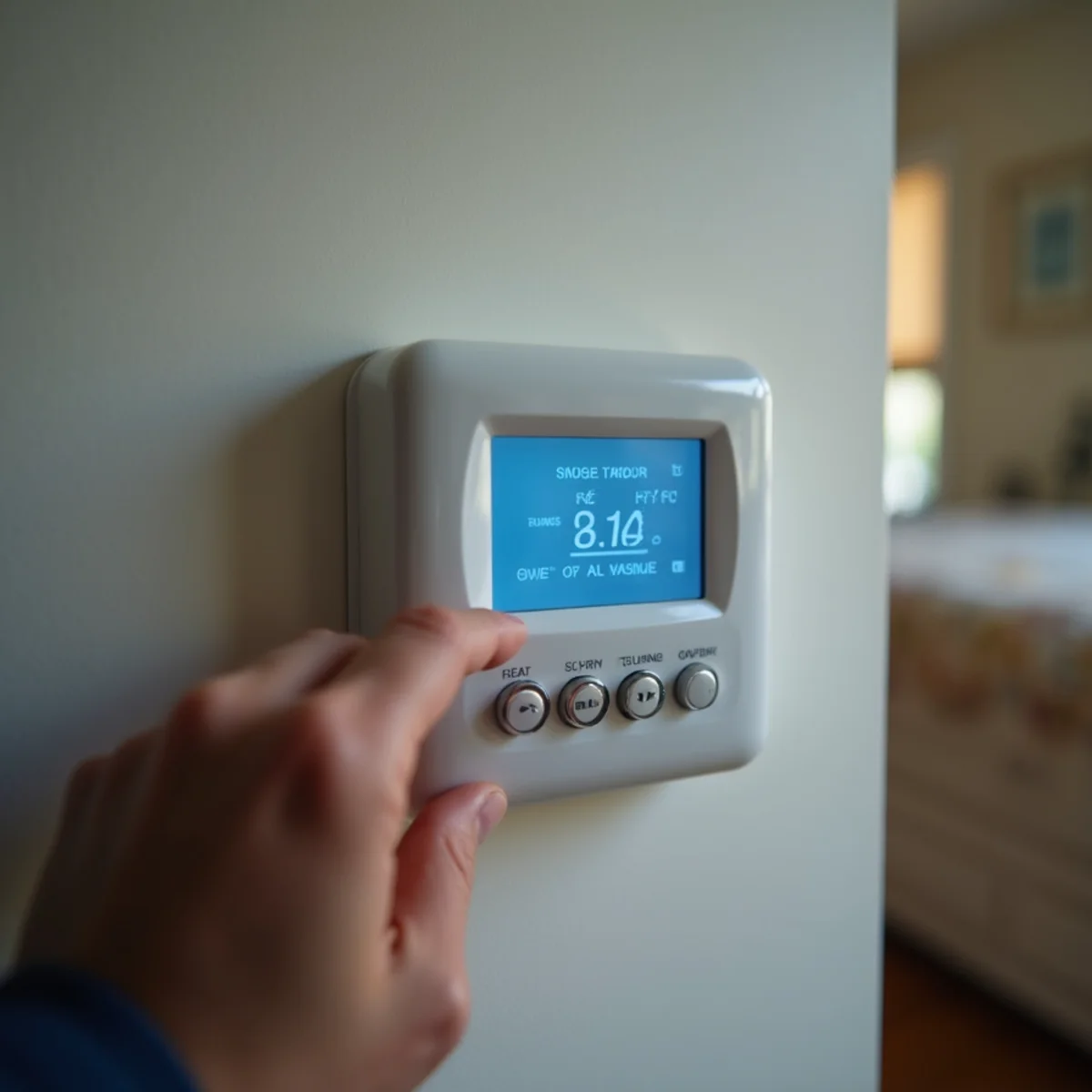
Thermostat glitches cause a surprising percentage of heating service dispatches. First, ensure the mode switch is firmly locked on 'HEAT' and not 'COOL' or 'OFF'. Next, raise the target setpoint at least 5 degrees above the current indoor reading to force a call for heat.
If your thermostat display screen is completely blank, dead batteries are frequently the reason. Many digital thermostats run on two AA or AAA alkaline batteries; when they die, the relay switch inside cannot close to signal your furnace or boiler. Replace them with fresh batteries and wait 60 seconds for the internal delay relay to click.
2. The Emergency Furnace Power Switch (Red Wall Plate)
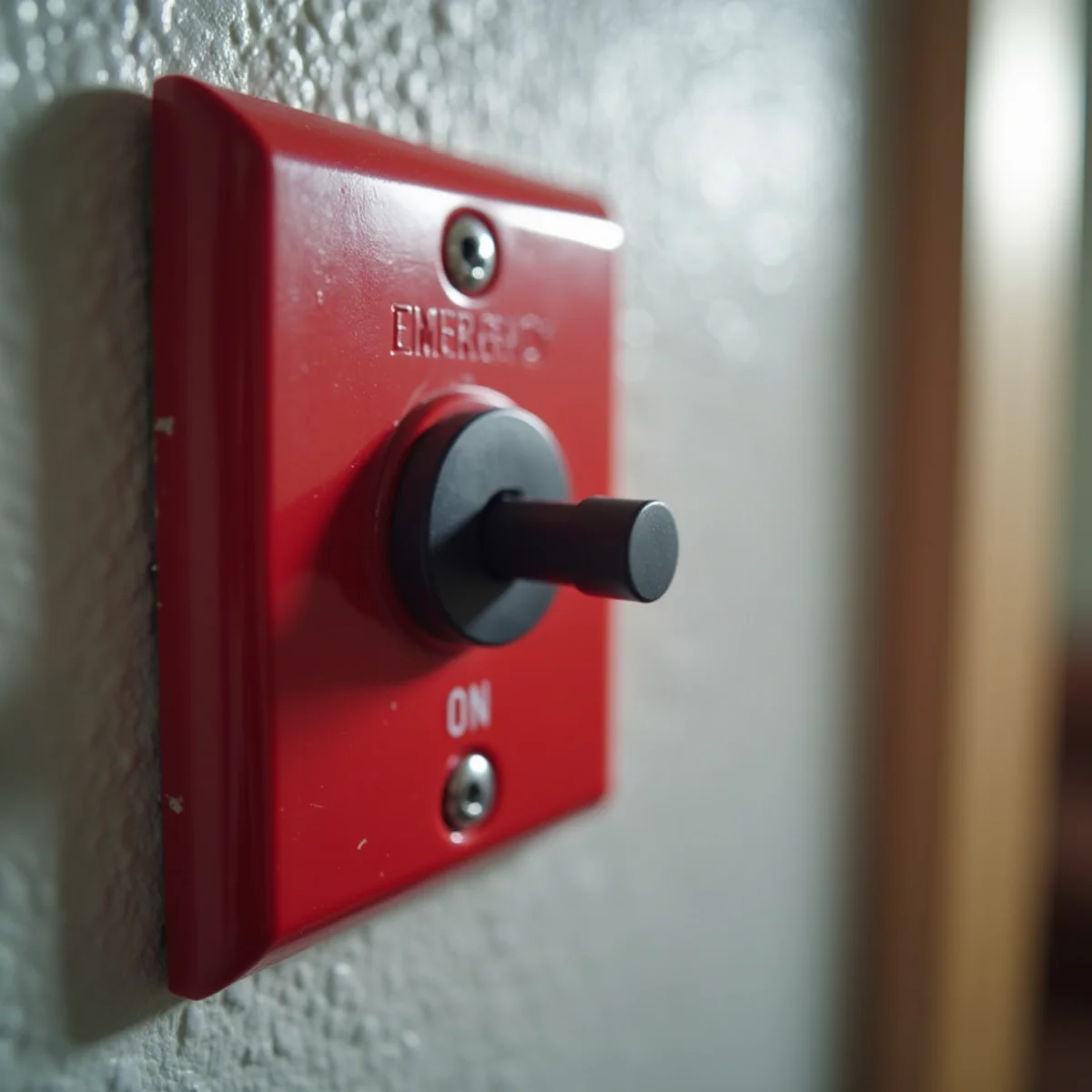
In New Jersey, the Uniform Construction Code requires an emergency electrical shutoff switch for heating appliances, usually located at the top of the basement stairs or directly on the furnace cabinet. These toggle switches are almost always mounted on a bright red wall plate labeled 'EMERGENCY OIL/GAS BURNER SWITCH'.
It is very common for household members, contractors, or visiting children to bump this switch while carrying laundry or storage boxes down into the basement. Make sure the toggle is flipped firmly to the 'ON' position.
3. Main Electrical Service Breakers
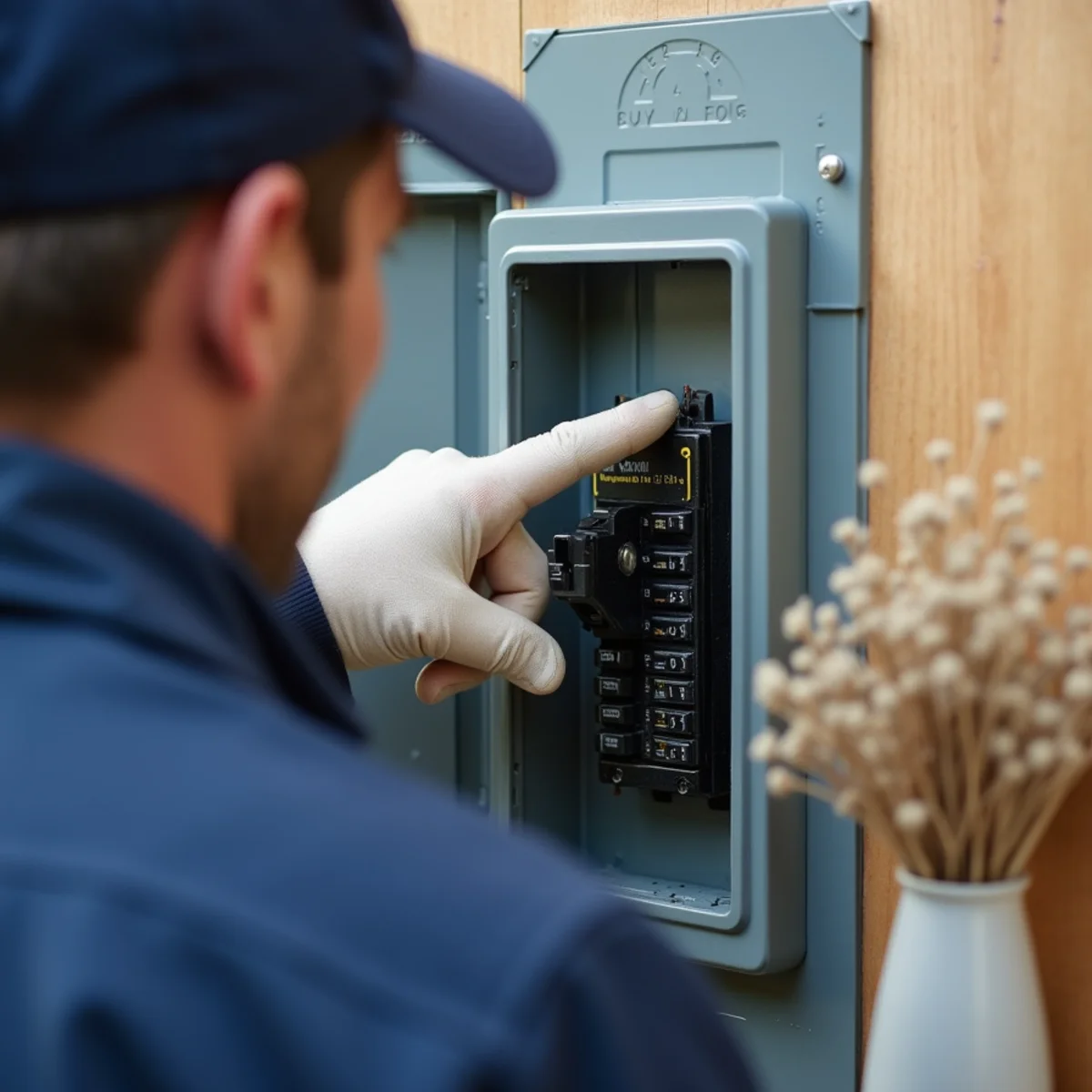
Navigate to your home's main electrical breaker panel. Search for circuit breakers labeled 'Furnace', 'Boiler', 'Air Handler', or 'Heating'. A tripped breaker often rests halfway between the 'ON' and 'OFF' positions.
To reset it, push the breaker handle firmly all the way to 'OFF' until it clicks, and then push it firmly back to 'ON'. If the breaker trips again immediately with a spark or buzz, DO NOT attempt to reset it a second time—this indicates a dangerous electrical short in the transformer or blower motor that requires professional diagnosis.
4. Furnace Blower Cabinet Door Interlock Switch
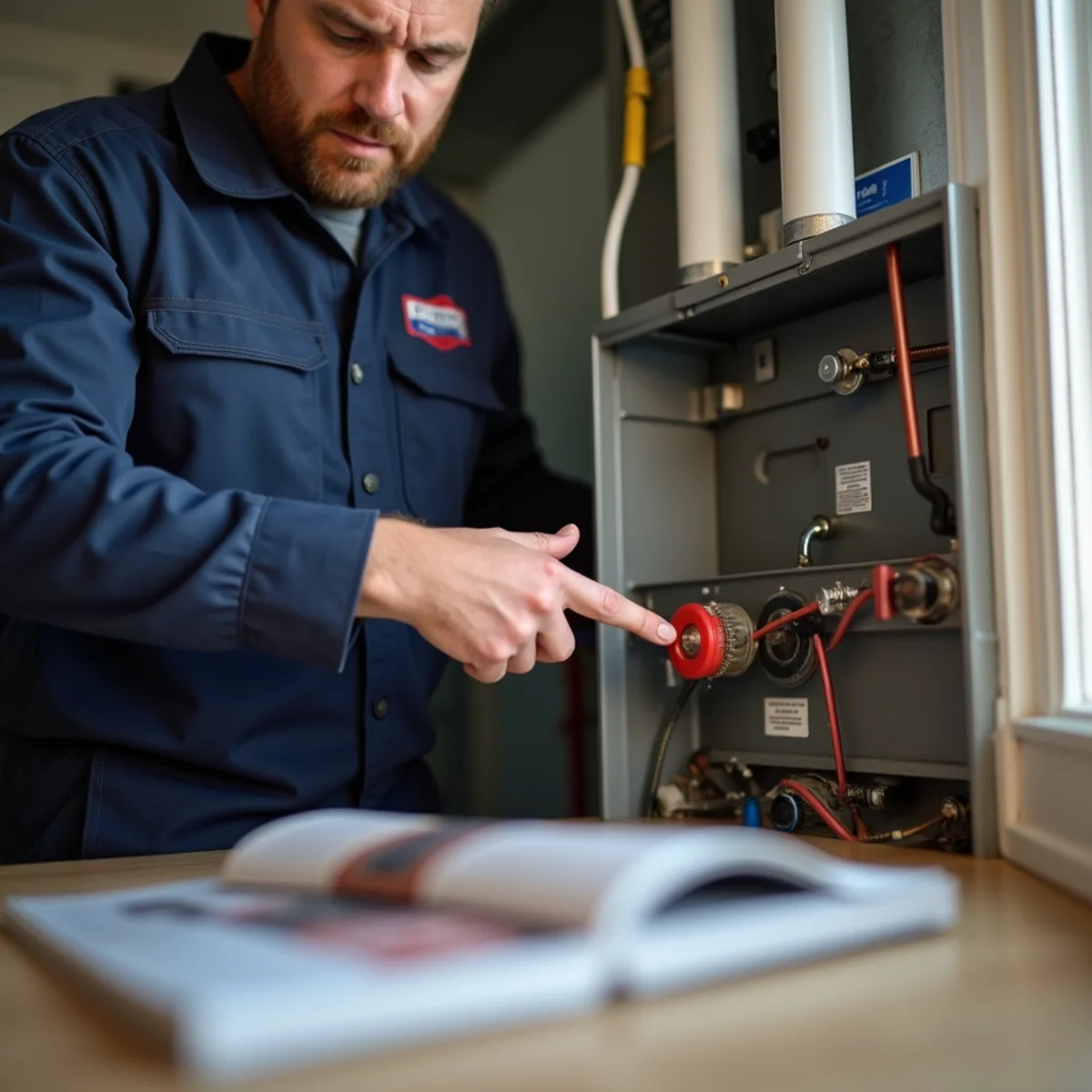
Modern gas furnaces feature a spring-loaded safety push-button switch located behind the blower compartment access panel. If this panel was recently removed to replace an air filter and wasn't seated flush into its metal alignment tracks, the switch pops out and completely cuts electrical power to the control board.
Remove the door, align the bottom metal tabs carefully, and push the panel firmly into place until you hear the safety switch depress.
5. High-MERV Air Filter Restrictions
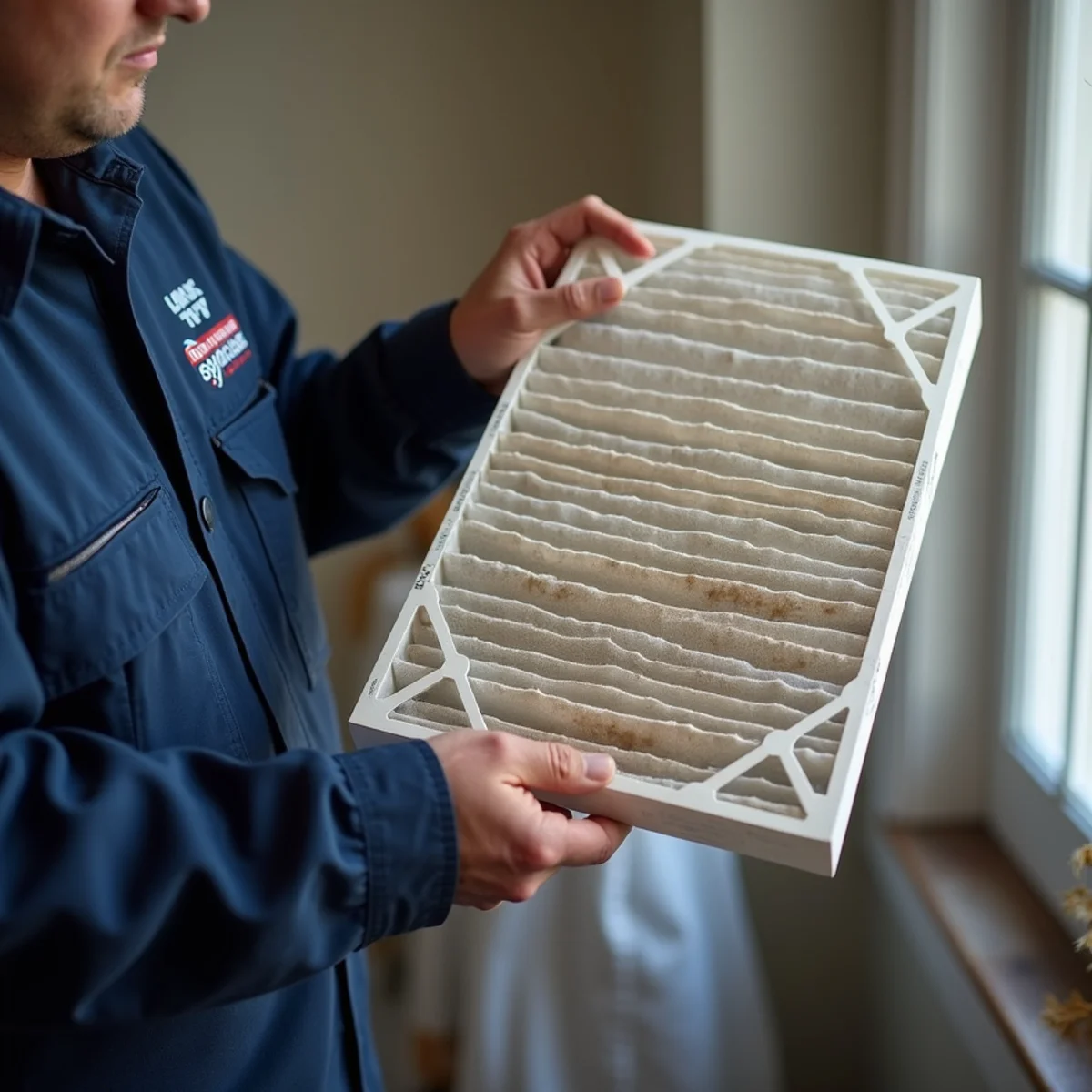
A completely clogged, dust-caked air filter chokes the airflow through your furnace. Within minutes of ignition, the heat exchanger overheats, tripping the furnace's high-limit safety thermostat and shutting off the gas burners to prevent a fire.
Slide out your 1-inch or 4-inch filter. Hold it up to a light source. If light cannot pass through the pleats, discard it and insert a fresh filter. The furnace may take 15 to 30 minutes to cool down and automatically reset its high-limit switch.
6. Gas Shutoff Valve Position
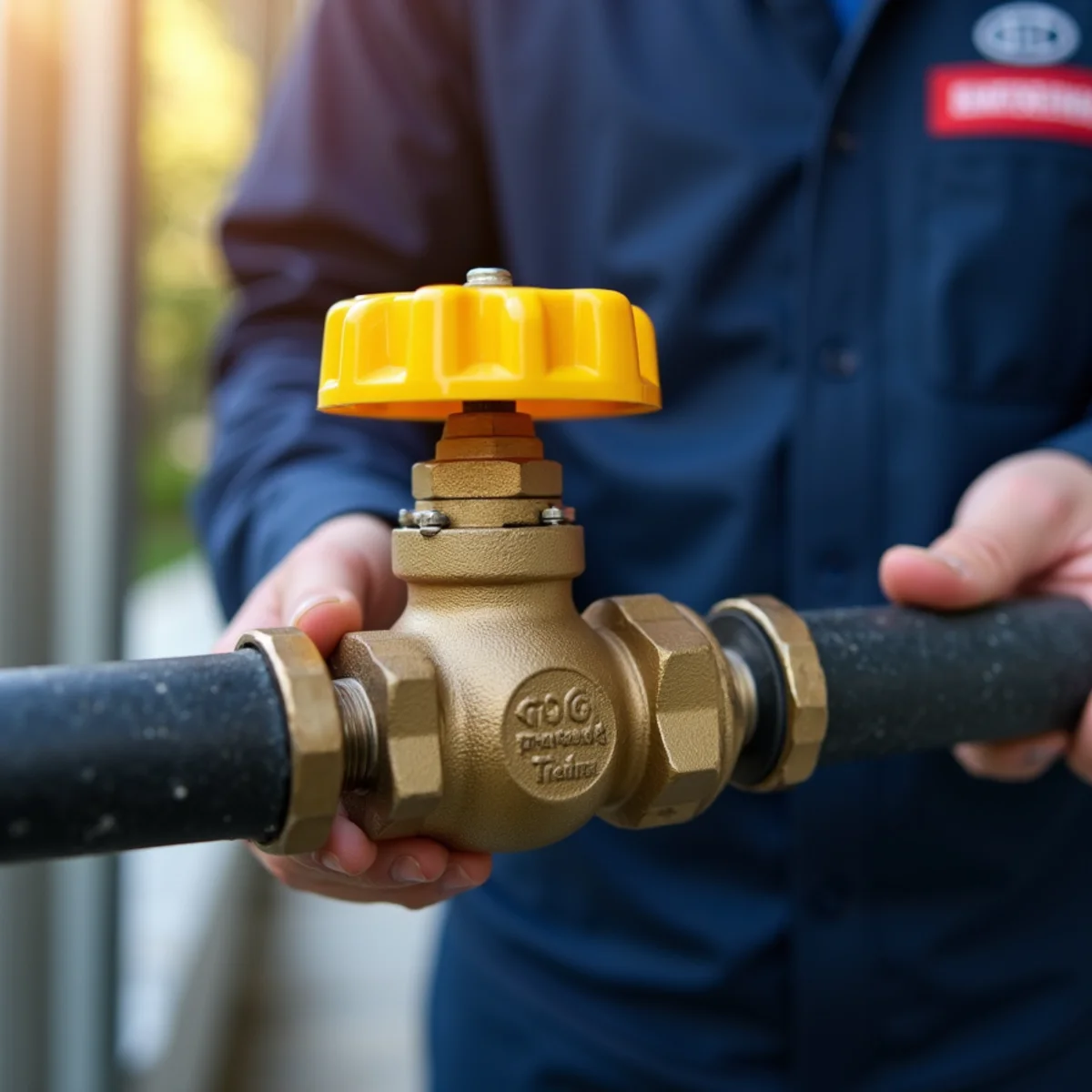
Examine the black iron gas line leading into the furnace or boiler cabinet. Look for the manual shutoff valve handle (typically painted yellow, red, or brass). The handle must be parallel (in-line) with the pipe to be fully open. If the handle is perpendicular (crosswise) to the pipe, gas flow is shut off.
7. Condensate Drain Lines on High-Efficiency Furnaces
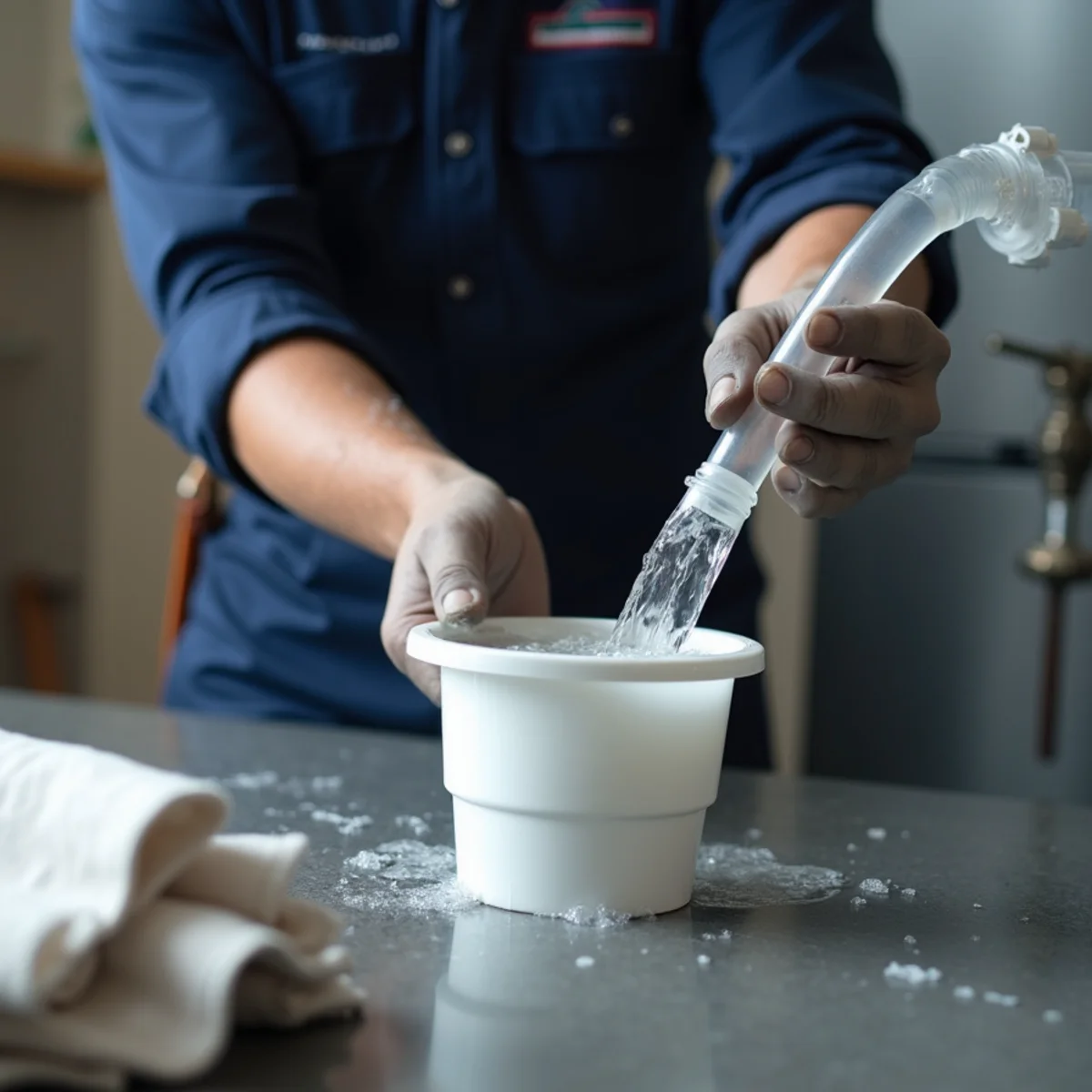
Condensing furnaces (identifiable by white PVC exhaust pipes rather than metal chimneys) extract heat until water vapor condenses into water. If the 3/4-inch PVC drain trap or vinyl drain tubing is clogged with slime or frozen by freezing basement drafts, water backs up into the secondary heat exchanger.
A pressure switch detects this standing water and halts burner ignition. Inspect the clear vinyl tubing or condensate pump reservoir. If the reservoir is overflowing, clean out the pump float or clear the line.
8. Exterior PVC Flue and Intake Vent Pipe Blockages
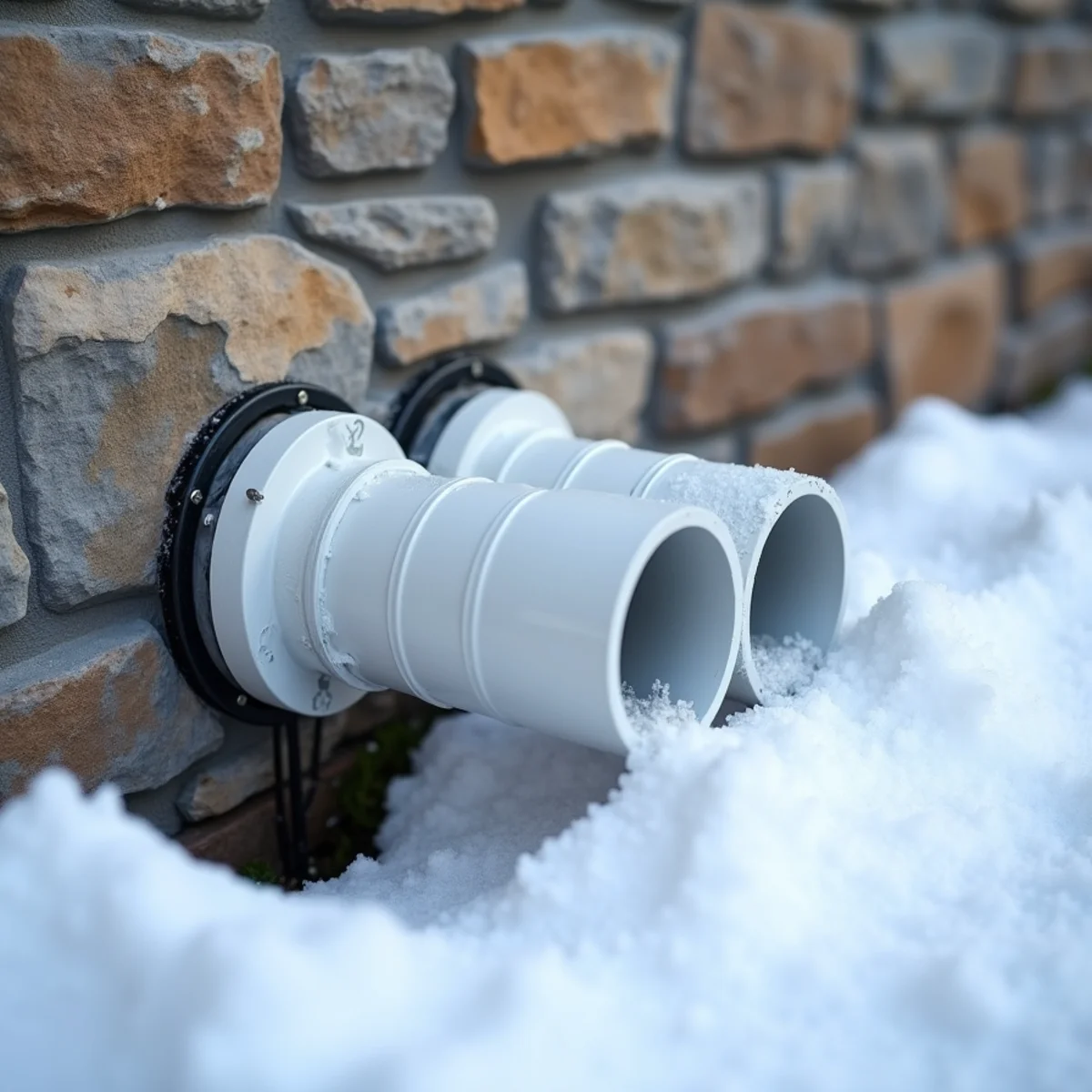
During Morris County snowstorms and icy cold snaps, blowing snow or freezing rain can bury or encase the outdoor PVC termination pipes located on your home's exterior foundation wall. If the intake or exhaust is obstructed, the furnace draft inducer cannot pull sufficient airflow, causing the safety pressure switch to stay open.
Carefully shovel snow away from both PVC pipes and confirm no bird nests or ice dams are blocking the mesh screens.
9. Boiler Sight Glass and Low-Water Cutoff (For Steam Systems)
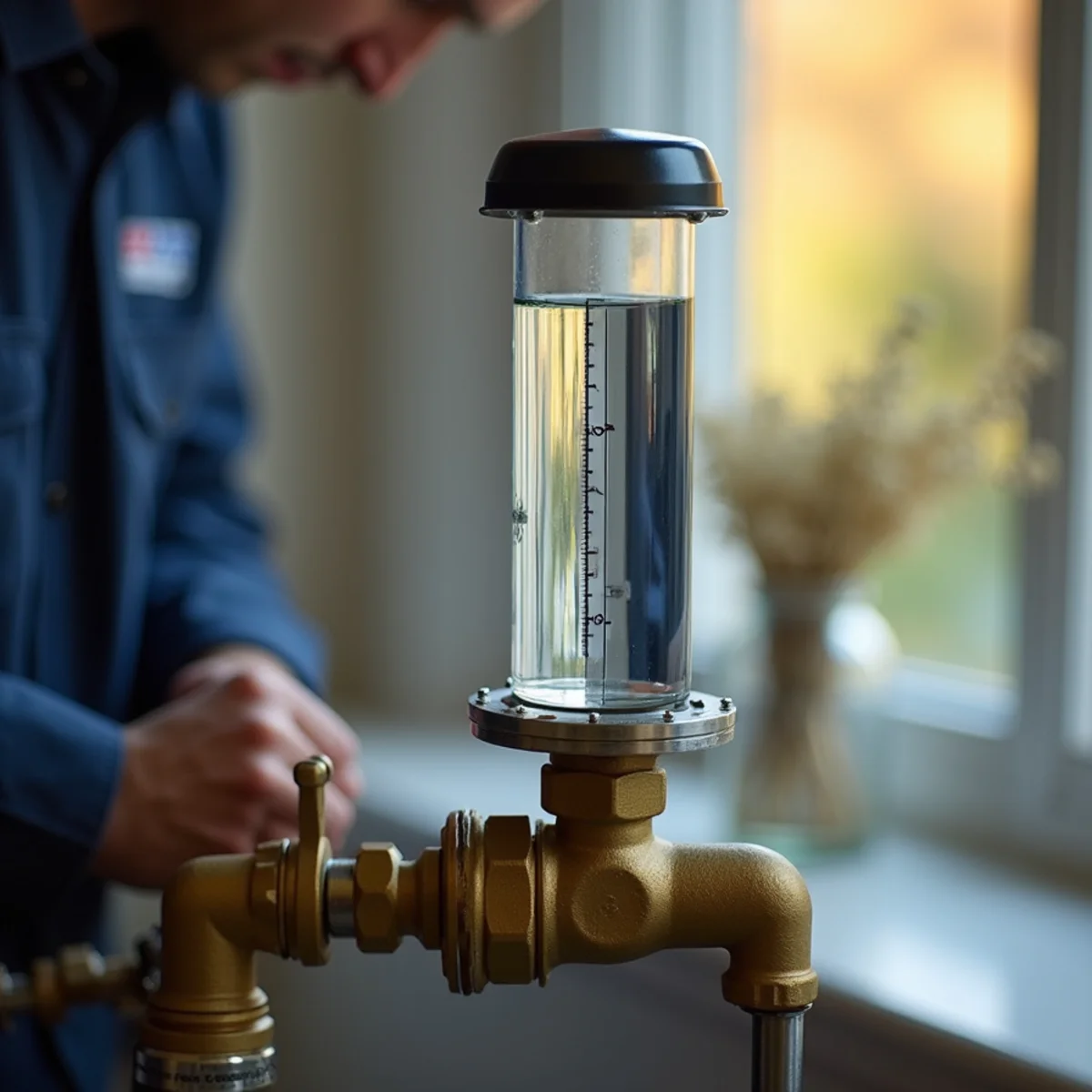
If your Morristown home is heated by steam radiators, look at the cylindrical glass tube (sight glass) on the side of the boiler. The water level should sit halfway up the glass. If the glass is dry or empty, the automatic low-water cutoff (LWCO) has properly killed power to prevent dry-firing the boiler.
Use the manual boiler fill valve to gently add water until it reaches the halfway mark on the glass. Do not overfill. If the boiler does not refire after water is restored, the low-water cutoff mechanism may require professional flushing or replacement.
Heating and air conditioning systems are complex closed-loop mechanical assemblies requiring strict adherence to manufacturer specifications, the New Jersey Uniform Construction Code (NJ UCC), and EPA Section 608 environmental guidelines. At Bella Family Air Pros, our certified technicians never rely on superficial visual inspections or temporary refrigerant top-offs.
If your system exhibits persistent short-cycling, uncharacteristic vibrations, electrical breaker trips, or thermal output drops, continuing to run the equipment risks catastrophic compressor seizure or heat exchanger cracking. Prompt, accurate diagnosis saves thousands in premature equipment replacement.
While routine air filter checks, thermostat battery replacements, and outdoor vent clearings are safe for homeowners, stop troubleshooting immediately and contact licensed technicians if you notice:
- •A distinct rotten egg sulfur smell (indicates a hazardous natural gas leak)
- •Carbon monoxide alarms sounding anywhere in the living areas
- •Sparks, buzzing noises, or scorch marks around electrical panels
- •Water actively overflowing from boiler relief valves or attic ceilings
Frequently Asked Questions
Quick takeaways and common homeowner inquiries regarding this heating and cooling topic.
If you have checked the thermostat, power switch, breaker, and filter, and the furnace still fails to light or shuts off within 60 seconds, stop resetting the controls. Repeatedly forcing an ignition lockout can damage control boards and gas valves. Call our 24/7 team at (321) 478-0693.
Our dispatch team is available 24/7 to help diagnose your system.
Not urgent? Send a request
For the fastest help, call (321) 478-0693. Otherwise, fill out the form below and we will respond promptly.
Need Professional HVAC Help in Morristown or Morris County?
Call (321) 478-0693 for 24/7 emergency dispatch or schedule your non-urgent diagnostic visit with upfront pricing.