
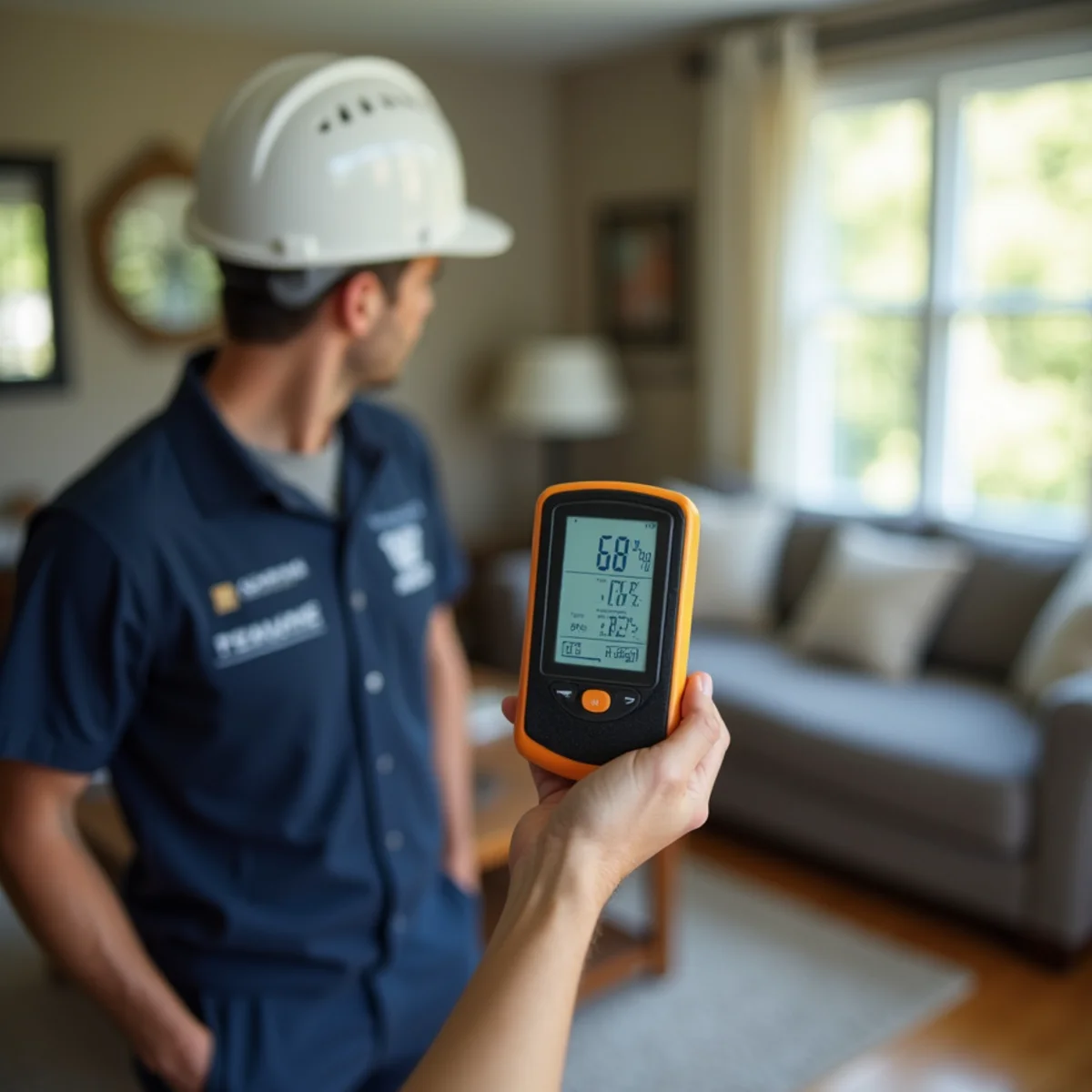
If your air conditioner is running in Morristown but your indoor air feels damp, sticky, or clammy (relative humidity exceeding 55%), the most common reasons are: (1) an oversized air conditioner that cools the house too fast and short-cycles before it can dehumidify; (2) excessive blower fan speed moving air across the evaporator coil too quickly; (3) setting the thermostat fan to 'ON' instead of 'AUTO', which evaporates collected water back into the home; (4) massive basement and crawl-space moisture infiltration; or (5) leaky return ductwork drawing hot, damp attic air into your system.
The Difference Between Sensible Cooling and Latent Cooling
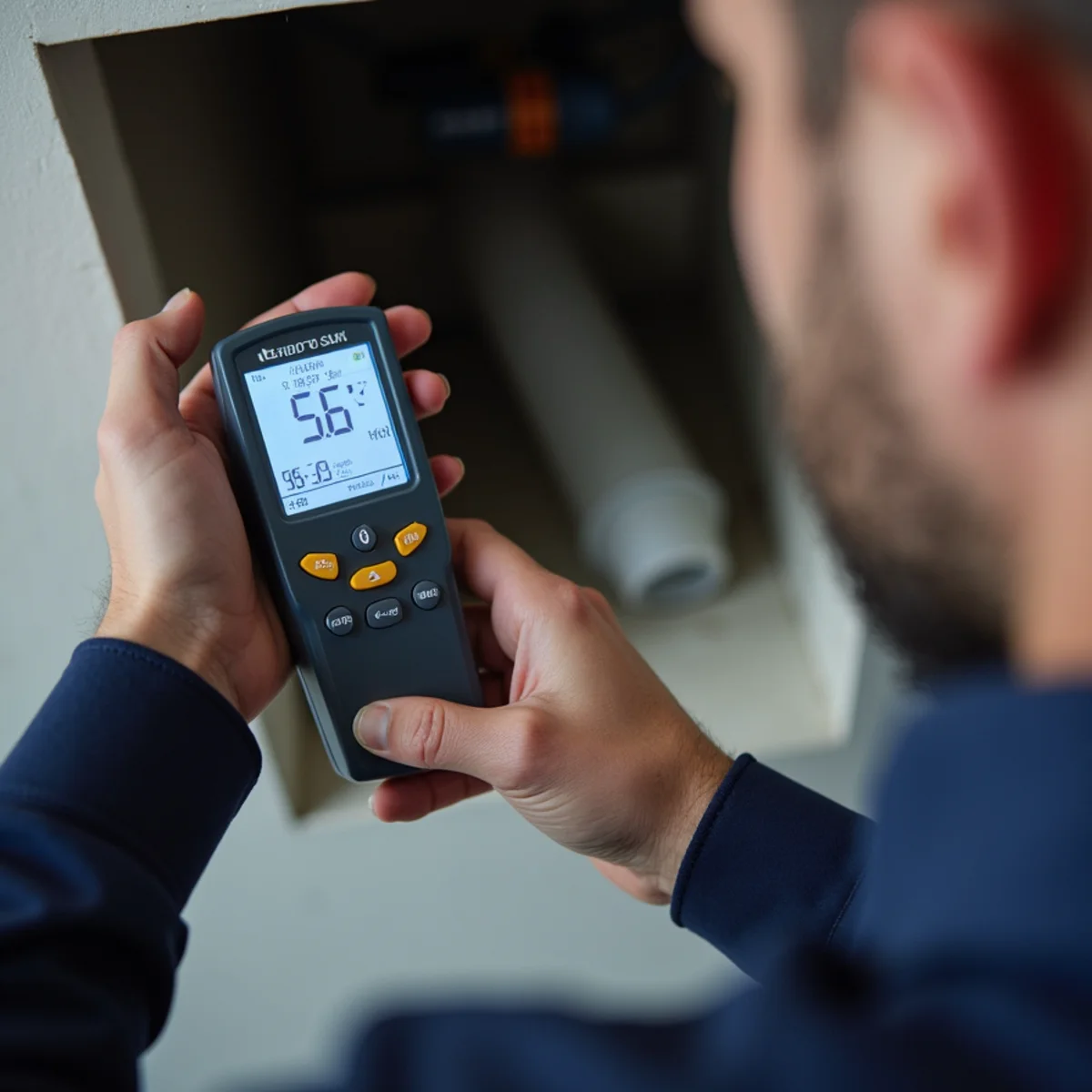
An air conditioner performs two distinct jobs: sensible cooling (lowering the actual dry-bulb air temperature you see on the thermometer) and latent cooling (extracting invisible moisture vapor and condensing it into liquid water).
In humid northern New Jersey climates, latent cooling is critical. To extract moisture effectively, an air conditioner must run continuous cycles lasting at least 15 to 25 minutes. During the first 10 minutes of operation, the aluminum evaporator coil simply gets cold enough to reach the dew point. Only during the latter half of the cycle does liquid water begin flowing down the drain.
The Danger of an Oversized Air Conditioner
If an inexperienced contractor installed a 4-ton AC in a home that only required 2.5 tons according to ACCA Manual J load calculations, the oversized unit blasts freezing air into rooms, satisfies the thermostat in 7 minutes, and shuts down.
Because the run cycle was too short, the moisture remains trapped in the air. The home becomes 70°F but has a sticky 65% relative humidity—creating the classic 'refrigerator cave' effect that encourages mold growth on leather, drywall, and vintage books.
How to Fix High Humidity: Equipment Adjustments and Dehumidifiers
First, your technician can adjust blower motor dip switches on ECM motors to lower airflow from 400 CFM per ton to 350 CFM per ton. Slower airflow keeps air in contact with the freezing coil longer, extracting significantly more condensation.
Second, in homes with damp stone foundations or finished basements near Morristown's Whippany River or Speedwell Lake, installing a dedicated whole-house dehumidifier (such as Santa Fe or Aprilaire) pulls up to 100 pints of water daily independently of your AC, guaranteeing a crisp 45% indoor humidity level.
Attic Duct Leakage: The Invisible Summer Moisture Pump
In many two-story colonials and split-levels across Morris County, the central air conditioning air handler and supply ductwork are installed in an unconditioned attic. During July and August, attic temperatures regularly reach 125°F to 140°F with high humidity.
If your return ductwork has disconnected joints, unsealed seams, or torn flex ducts in the attic, the powerful suction of the blower fan draws superheated, damp attic air directly into your air conditioning system. This massive latent moisture load completely overwhelms the evaporator coil, making it impossible for the unit to dehumidify your living areas.
- Return duct leaks pulling in humid, dust-filled attic air and bypassing filtration
- Negative pressure inside the house drawing outdoor humidity through recessed lights and wall cavities
- Supply duct leaks dumping expensive chilled air into the attic instead of finished bedrooms
- Mastic paste and fiberglass mesh tape duct sealing restoring proper system airflow and indoor humidity control
Heating and air conditioning systems are complex closed-loop mechanical assemblies requiring strict adherence to manufacturer specifications, the New Jersey Uniform Construction Code (NJ UCC), and EPA Section 608 environmental guidelines. At Bella Family Air Pros, our certified technicians never rely on superficial visual inspections or temporary refrigerant top-offs.
If your system exhibits persistent short-cycling, uncharacteristic vibrations, electrical breaker trips, or thermal output drops, continuing to run the equipment risks catastrophic compressor seizure or heat exchanger cracking. Prompt, accurate diagnosis saves thousands in premature equipment replacement.
While routine air filter checks, thermostat battery replacements, and outdoor vent clearings are safe for homeowners, stop troubleshooting immediately and contact licensed technicians if you notice:
- •A distinct rotten egg sulfur smell (indicates a hazardous natural gas leak)
- •Carbon monoxide alarms sounding anywhere in the living areas
- •Sparks, buzzing noises, or scorch marks around electrical panels
- •Water actively overflowing from boiler relief valves or attic ceilings
Frequently Asked Questions
Quick takeaways and common homeowner inquiries regarding this heating and cooling topic.
Indoor relative humidity should be maintained between 40% and 50% during the summer. Anything above 55% encourages dust mites, and levels above 60% trigger active mold and mildew spore germination.
Our dispatch team is available 24/7 to help diagnose your system.
Not urgent? Send a request
For the fastest help, call (321) 478-0693. Otherwise, fill out the form below and we will respond promptly.
Need Professional HVAC Help in Morristown or Morris County?
Call (321) 478-0693 for 24/7 emergency dispatch or schedule your non-urgent diagnostic visit with upfront pricing.