
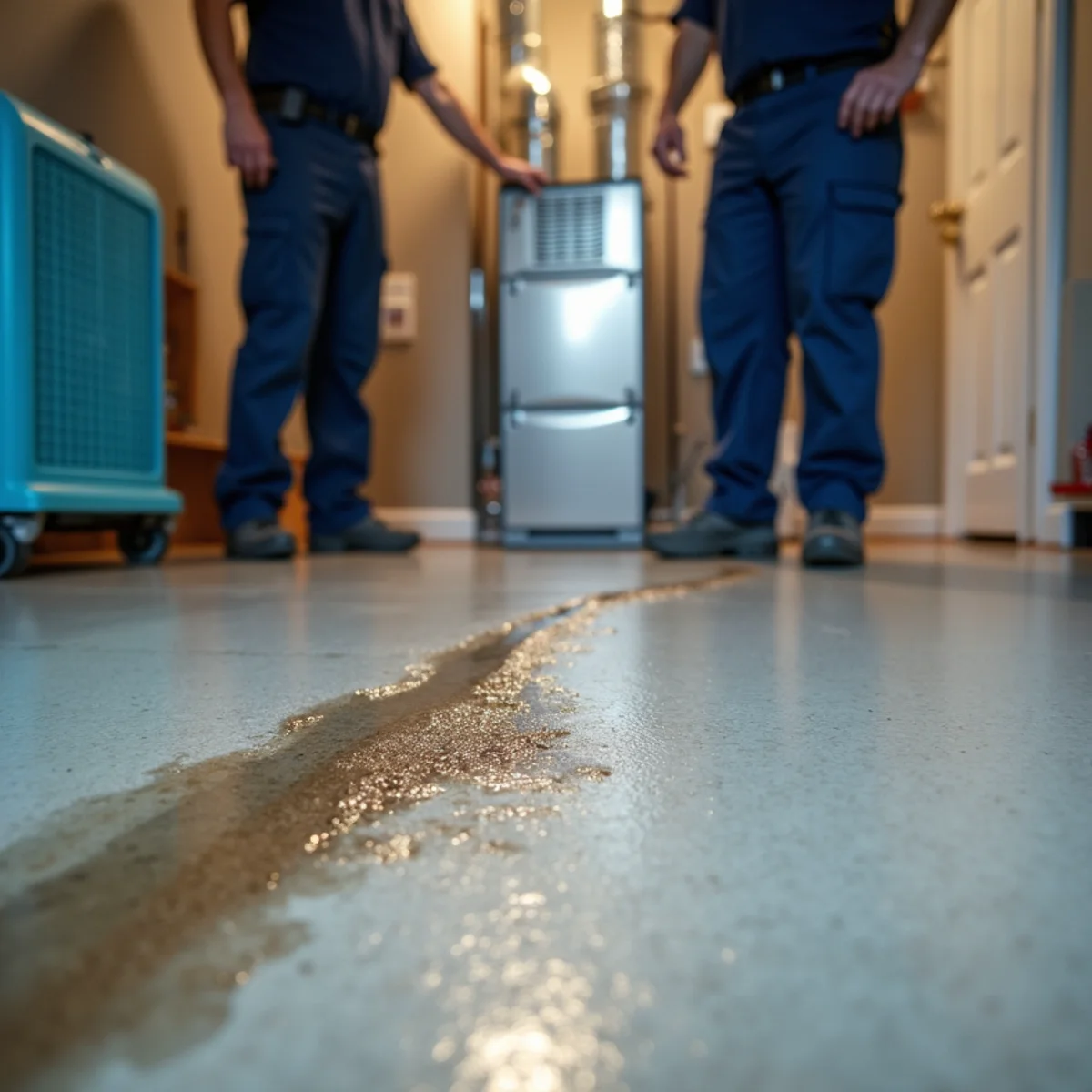
If rising water from a river surge, storm runoff, or a failed sump pump reached your basement furnace or boiler, NEVER turn the power switch back on or attempt to relight the burner. Standing water permanently ruins electrical relays, control boards, gas valves, and combustion insulation. Submerged gas valves can stick open, creating catastrophic explosion hazards, while wet control boards cause electrical fires. Shut off power at the main breaker panel from a dry location, shut off the gas supply, and call a licensed New Jersey HVAC contractor to inspect and test the equipment.
The Dangers of Submerged HVAC Equipment
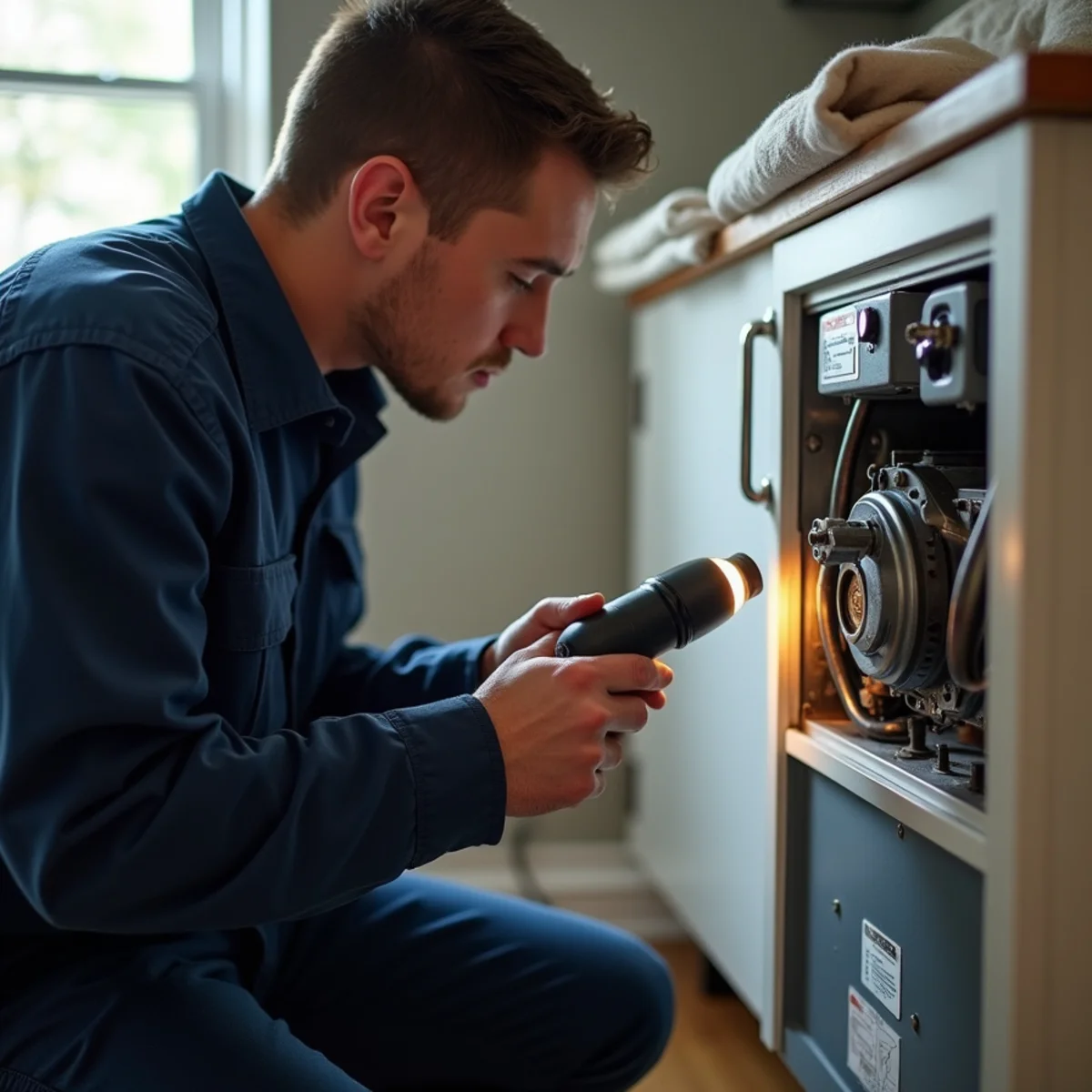
In Morristown, neighborhoods along the Whippany River and low-lying sections of Lake Hiawatha and Denville have experienced basement flooding during major storms like Hurricane Irene and Sandy. When floodwater recedes, the temptation to immediately flip the furnace switch to dry out the basement is strong—but extremely dangerous.
Floodwater contains silt, sewage, corrosive minerals, and contaminants. Once this water enters safety valves, draft inducer bearings, blower motors, and burner orifices, corrosion begins within hours. Even if the unit appears to fire initially, hidden corrosion will cause component failure or dangerous electrical short circuits shortly thereafter.
Components That MUST Be Replaced After Submersion
According to the Air Conditioning, Heating, and Refrigeration Institute (AHRI) and FEMA disaster recovery guidelines, the following components cannot be dried out and re-used if submerged:
- Gas Control Valves and Manifold Regulators (internal springs and safety diaphragms corrode and stick open)
- Integrated Electronic Control Circuit Boards and Ignition Modules
- Furnace Blower Motors and Draft Inducer Fans
- Combustion Chamber Fiberglass Insulation and Refractory Target Walls
- High-Limit Safety Switches, Roll-Out Switches, and Pressure Sensors
Documenting Damage for Homeowners Insurance Claims
Before clearing silt or discarding failed parts, take extensive photographs and videos of the high-water line on your furnace cabinet, boiler block, water heater, and electrical panel.
Record the manufacturer model and serial numbers from the equipment data plate. Ask your HVAC contractor for a written diagnostic report that clearly states the depth of water inundation, failed electrical and gas components, and whether equipment repair or complete replacement is required under local construction safety codes.
Elevated Equipment Platforms & Flood Resilience Strategies
For homeowners living near river corridors in Morristown, Lake Hiawatha, or Denville, replacing water-damaged heating equipment offers an opportunity to build in future flood resilience. Leaving a new furnace or boiler directly on a basement slab in a flood-prone zone invites repeat disaster.
Our mechanical installation teams engineer elevated equipment foundations. For gas furnaces in basements and crawlspaces, we install heavy-duty overhead structural ceiling hanger rods or build poured concrete platforms 12 to 24 inches above the base flood elevation. For boilers, we construct raised composite curbs and elevate burner controls, ensuring equipment remains high and dry during storm events.
- Structural ceiling suspension kits for horizontal crawlspace furnaces keeping units 2 feet above grade
- Raised poured-concrete or masonry equipment pads for basement boilers and water heaters
- Electronic water-sensing float switches wired to emergency fuel shutoffs that cut gas before water reaches burner valves
- Dual-sump pump configurations with battery backups and municipal water-powered emergency ejectors
Heating and air conditioning systems are complex closed-loop mechanical assemblies requiring strict adherence to manufacturer specifications, the New Jersey Uniform Construction Code (NJ UCC), and EPA Section 608 environmental guidelines. At Bella Family Air Pros, our certified technicians never rely on superficial visual inspections or temporary refrigerant top-offs.
If your system exhibits persistent short-cycling, uncharacteristic vibrations, electrical breaker trips, or thermal output drops, continuing to run the equipment risks catastrophic compressor seizure or heat exchanger cracking. Prompt, accurate diagnosis saves thousands in premature equipment replacement.
While routine air filter checks, thermostat battery replacements, and outdoor vent clearings are safe for homeowners, stop troubleshooting immediately and contact licensed technicians if you notice:
- •A distinct rotten egg sulfur smell (indicates a hazardous natural gas leak)
- •Carbon monoxide alarms sounding anywhere in the living areas
- •Sparks, buzzing noises, or scorch marks around electrical panels
- •Water actively overflowing from boiler relief valves or attic ceilings
Frequently Asked Questions
Quick takeaways and common homeowner inquiries regarding this heating and cooling topic.
If fiberglass-lined ductwork or flexible ducting was submerged in floodwaters, it must be removed and replaced due to dangerous bacterial and mold colonization. Uninsulated sheet metal ducts can occasionally be professionally washed, disinfected with EPA-registered biocides, and re-insulated.
Our dispatch team is available 24/7 to help diagnose your system.
Not urgent? Send a request
For the fastest help, call (321) 478-0693. Otherwise, fill out the form below and we will respond promptly.
Need Professional HVAC Help in Morristown or Morris County?
Call (321) 478-0693 for 24/7 emergency dispatch or schedule your non-urgent diagnostic visit with upfront pricing.