
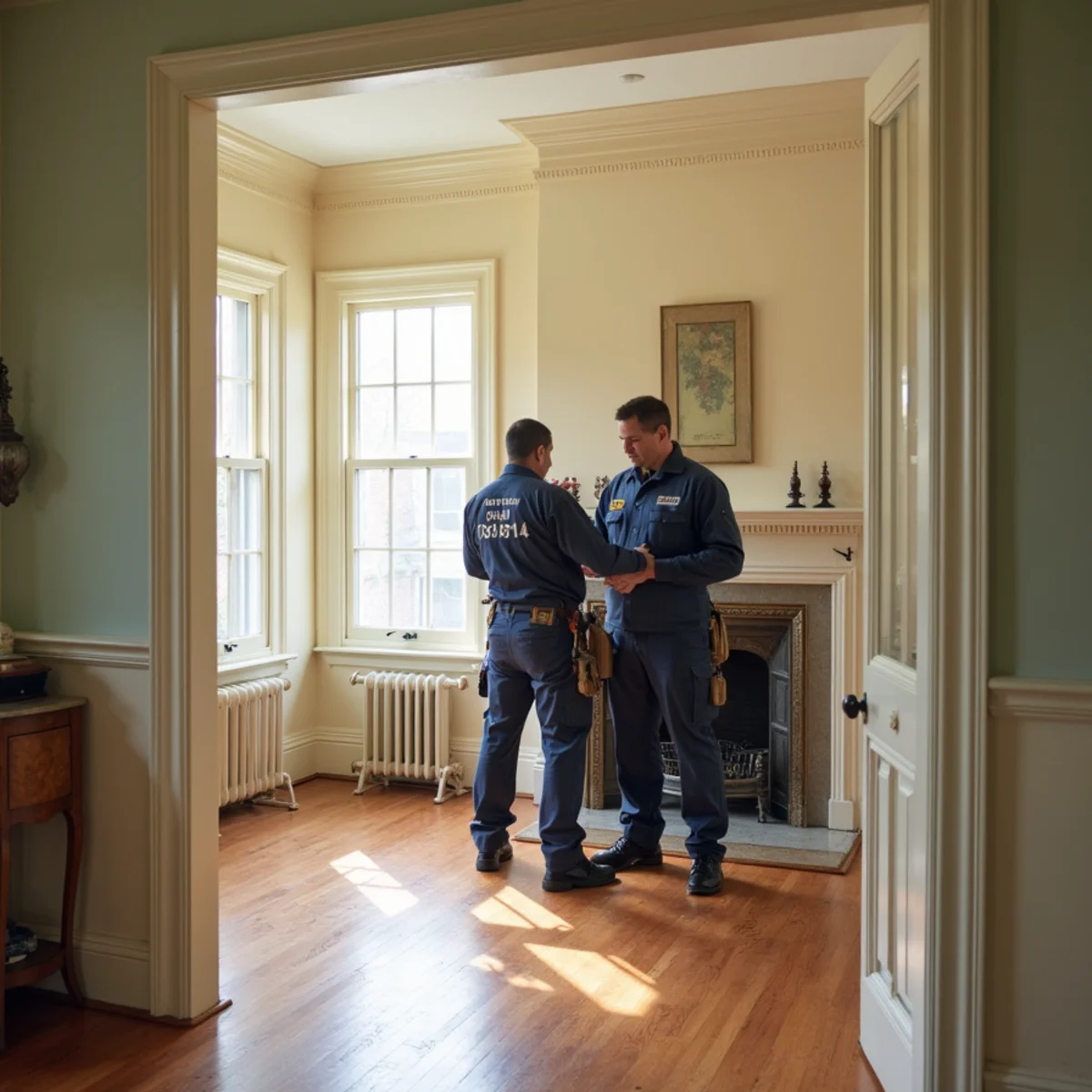
To add central air conditioning to a radiator-heated home in Morristown without destroying plaster walls or historic moldings, you have three primary engineering options: (1) Multi-zone ductless mini-splits, which require only small 3-inch wall penetrations and zero ductwork; (2) High-velocity mini-duct systems (SpacePak or Unico), which snake flexible 2-inch sound-attenuated tubing through closet corners and stud bays from an attic air handler; or (3) Dedicated attic air handlers delivering standard cooling to the upper floor, paired with a ductless unit for the ground floor.
The Historic Home Dilemma: Beautiful Radiators, Unbearable Summers
Homes throughout Morristown's historic district, South Street, and Madison's Rose City feature ornate cast-iron radiators, hand-carved millwork, and dense lath-and-plaster construction. Because steam and hydronic pipes require only slender 1-to-2-inch chases, these houses were built with zero vertical ductwork plenums.
When hot, humid July heat waves arrive, window air conditioning units become a noisy, drafty, and unsecure hassle. Modern HVAC engineering offers clean, non-invasive solutions that preserve historic architectural integrity.
Option 1: Multi-Zone Ductless Mini-Split Heat Pumps (Most Popular)
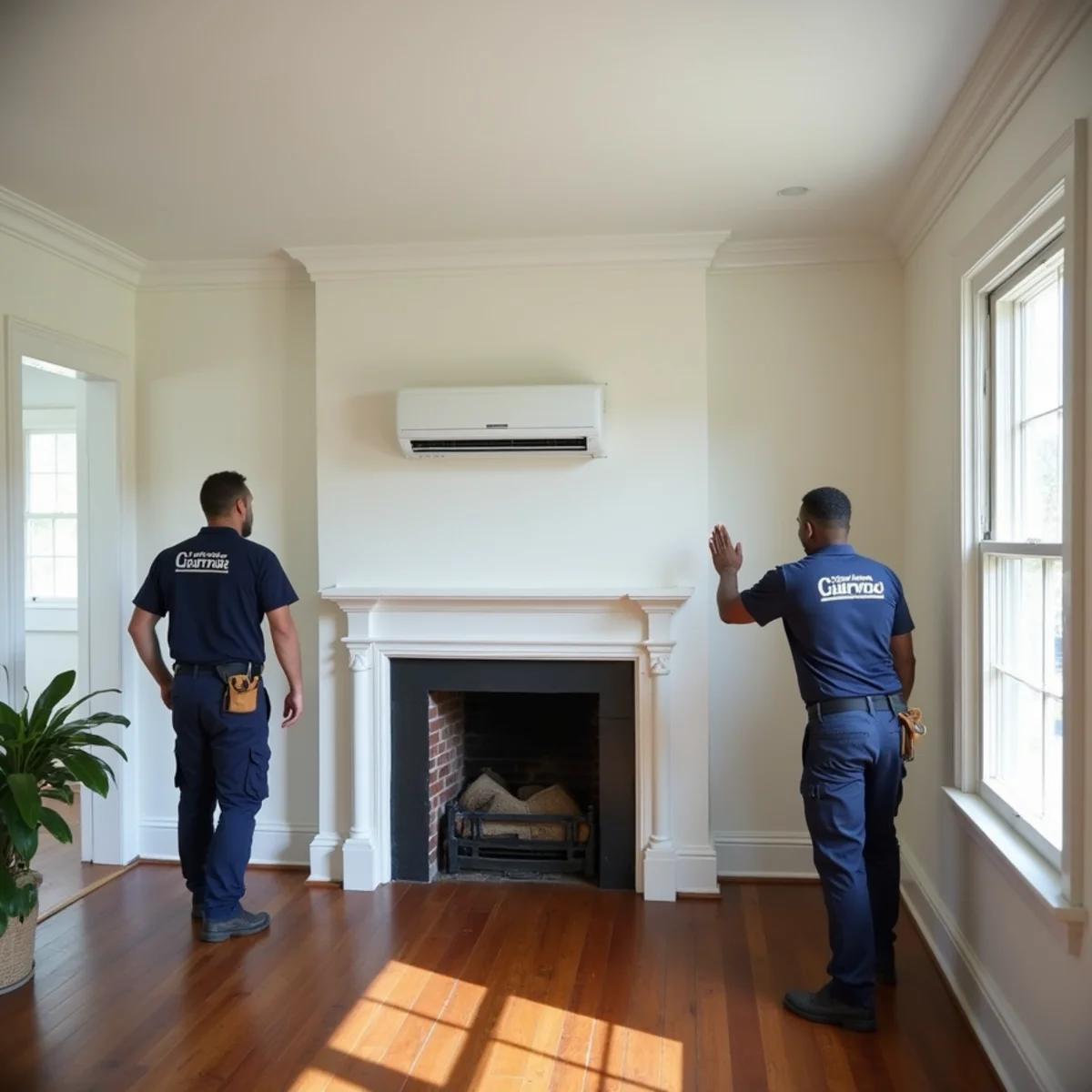
Ductless heat pumps represent the dominant retrofit choice in Morris County. Each room receives its own compact, whisper-quiet indoor blower unit mounted high on the wall, recessed flush into the ceiling, or positioned low as a console.
Each indoor unit connects to an outdoor inverter condenser via flexible line-set tubing containing copper refrigerant lines, power wiring, and a condensate drain. Requiring only a single 3-inch core drill through the exterior wall, ductless systems completely eliminate the need to cut soffits, drop ceilings, or sacrifice closet space.
- Individual room-by-room thermostat zoning for customized family comfort
- Ultra-high efficiencies exceeding 20 to 28 SEER2 for minimal electric bills
- Whisper-quiet operation as low as 19 decibels (quieter than a whisper)
- Supplemental cold-climate heating in winter down to -13°F
Option 2: High-Velocity Small-Duct Systems (SpacePak / Unico)
For homeowners who refuse to see indoor wall-mounted air handlers, high-velocity systems provide central air conditioning through flexible 2-inch interior tubing. A specialized compact air handler is installed in the attic or basement.
Instead of bulky 12-inch rectangular sheet-metal ducts, high-velocity equipment uses flexible, heavily insulated 2-inch tubes that snake down through closet corners, false chimney chases, or interior wall partitions. Air enters rooms through unobtrusive, paintable 5-inch round ceiling or floor disks.
Option 3: Hybrid Attic Air Handler + Main Floor Ductless
In large two- and three-story colonials, a hybrid configuration is often the most cost-effective solution. A traditional central air conditioning handler is placed in the attic to cool second- and third-floor bedrooms via ceiling supply registers cut into attic drywall.
Because dropping supply ducts from the attic to the first floor is difficult without cutting through finished bedrooms, the ground-floor living room and kitchen are cooled by two elegant ductless mini-split units. This eliminates vertical chases entirely.
Historic Preservation Guidelines & Outdoor Equipment Placement in Morris County
In historic neighborhoods across Morristown, Madison, and Summit, outdoor condenser placement must respect municipal noise ordinances and architectural preservation guidelines. Placing a massive, humming outdoor cube right along an exposed side-yard property line can provoke neighbor complaints or municipal code citations.
We specify low-profile, side-discharge inverter condensers that operate under 55 decibels. Outdoor refrigerant lines are sheathed in durable architectural line-hides color-matched to exterior brick, cedar shake, or siding trim, frequently routed alongside copper downspouts to maintain flawless curb appeal.
- Anti-vibration composite pad mounting to eliminate structure-borne mechanical hum
- Side-discharge slimline footprint requiring only 12 to 18 inches of rear clearance
- Architectural UV-resistant line hides painted to match historic exterior trim
- Adherence to municipal 5-foot property line setback and 55 dBA noise limits
Heating and air conditioning systems are complex closed-loop mechanical assemblies requiring strict adherence to manufacturer specifications, the New Jersey Uniform Construction Code (NJ UCC), and EPA Section 608 environmental guidelines. At Bella Family Air Pros, our certified technicians never rely on superficial visual inspections or temporary refrigerant top-offs.
If your system exhibits persistent short-cycling, uncharacteristic vibrations, electrical breaker trips, or thermal output drops, continuing to run the equipment risks catastrophic compressor seizure or heat exchanger cracking. Prompt, accurate diagnosis saves thousands in premature equipment replacement.
While routine air filter checks, thermostat battery replacements, and outdoor vent clearings are safe for homeowners, stop troubleshooting immediately and contact licensed technicians if you notice:
- •A distinct rotten egg sulfur smell (indicates a hazardous natural gas leak)
- •Carbon monoxide alarms sounding anywhere in the living areas
- •Sparks, buzzing noises, or scorch marks around electrical panels
- •Water actively overflowing from boiler relief valves or attic ceilings
Frequently Asked Questions
Quick takeaways and common homeowner inquiries regarding this heating and cooling topic.
No! In fact, we strongly recommend keeping your steam or hot-water radiators. Hydronic and steam heat produce comfortable, dust-free radiant warmth in deep winter. Your new cooling system can provide summer AC and shoulder-season heat while your boiler handles January freezes.
Our dispatch team is available 24/7 to help diagnose your system.
Not urgent? Send a request
For the fastest help, call (321) 478-0693. Otherwise, fill out the form below and we will respond promptly.
Need Professional HVAC Help in Morristown or Morris County?
Call (321) 478-0693 for 24/7 emergency dispatch or schedule your non-urgent diagnostic visit with upfront pricing.