
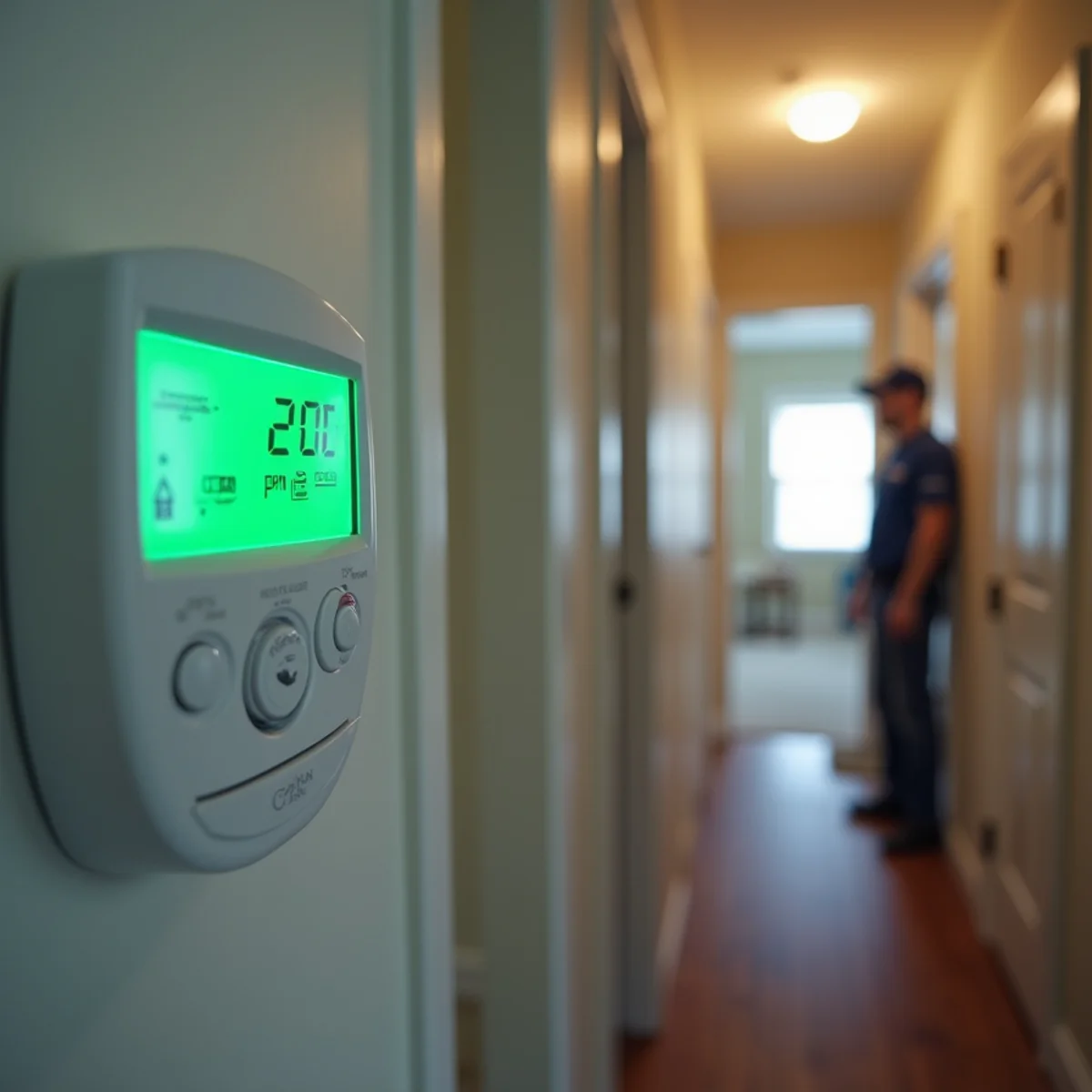
If a carbon monoxide (CO) alarm sounds in your home, or if you smell natural gas or experience headaches and dizziness near your heating equipment, treat it as an immediate life-safety emergency: evacuate all occupants and pets into fresh outdoor air immediately and call 911 or your gas utility. Never waste time opening windows or searching for an HVAC repair phone number while inside. CO is completely odorless, invisible, and lethal; early symptoms mimic the flu without a fever.
Distinguishing Furnace Odors: Normal vs Dangerous
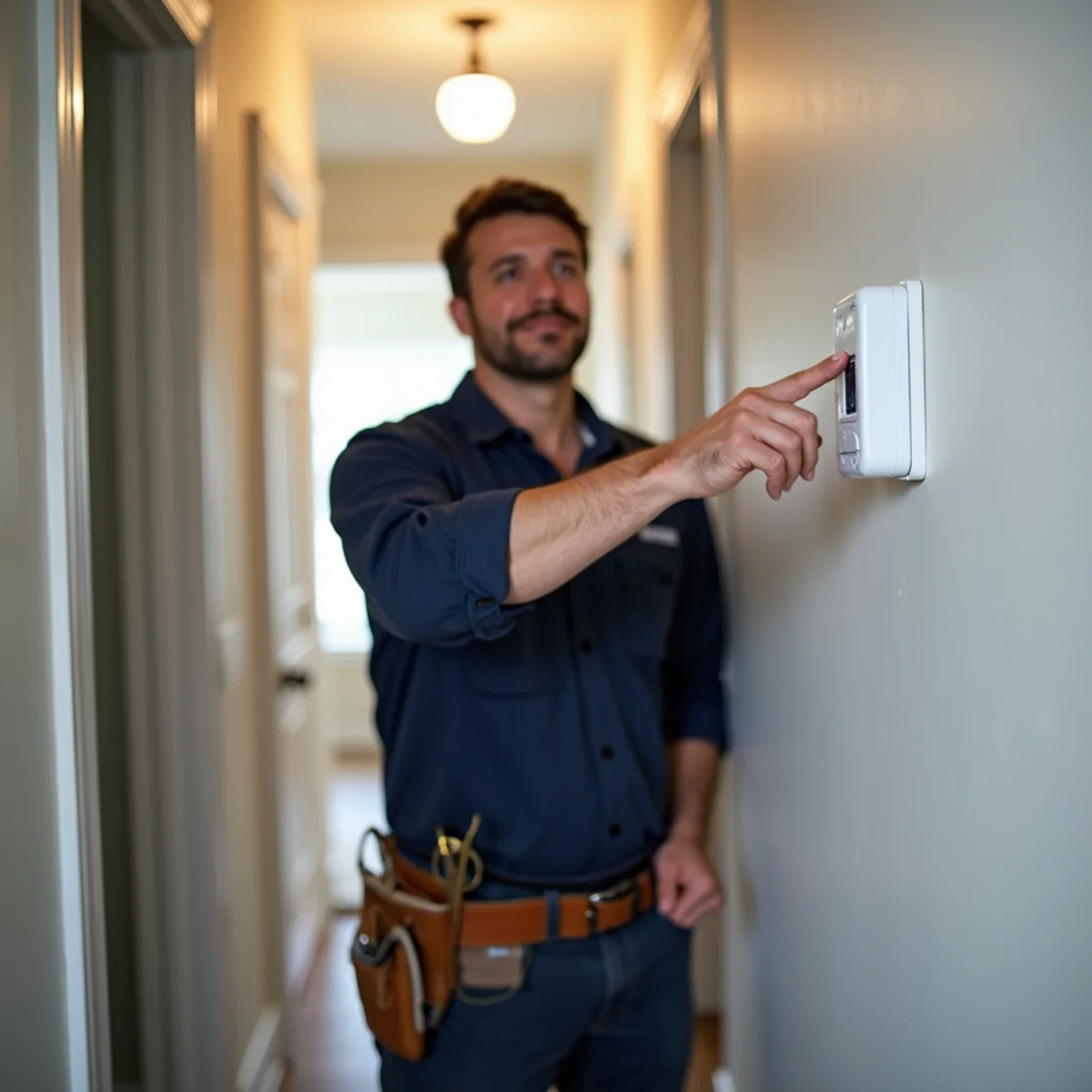
When heating season starts in Morristown every October, homeowners frequently notice distinct smells when their furnace fires for the first time:
- Burning Dust Odor: Normal. Over summer, dust settles on burners and electric elements. It burns off within 30 to 60 minutes of the first autumn heating cycle.
- Rotten Eggs / Sulfur Odor: Gas Leak Emergency. Mercaptan is added to natural gas so you can smell leaks. Evacuate immediately and call 911.
- Acrid Plastic / Electrical Burning: Urgent Danger. Indicates a failing blower motor capacitor, melted wire insulation, or overheated control board. Shut off the furnace switch.
- Oily, Sooty Odor: Delayed Ignition. In oil or gas furnaces, soot odors signify dirty burners or a blocked flue pipe spilling exhaust back into the home.
Cracked Heat Exchangers: The Hidden Carbon Monoxide Threat
The heat exchanger separates deadly exhaust gases produced in the burner tubes from the clean air circulating through your bedrooms. Over 15 to 20 years, thermal expansion and contraction cause microscopic stress cracks along the curves and welded seams of the metal cells.
When the blower fan turns on, air pressure forces carbon monoxide through these cracks directly into the supply air ducts. During every heating maintenance visit, our technicians use specialized fiber-optic cameras and electronic flue combustion analyzers to detect minute CO concentrations before they threaten your family.
Proper Placement of Carbon Monoxide Detectors
Under New Jersey law, homes must have working carbon monoxide alarms installed within 10 feet of every bedroom door and on every level of the home. Replace alarm units every 5 to 7 years (check the manufacturer date stamped on the back), and test backup batteries monthly.
Combustion Air Starvation in Weatherized Basements
Modern home energy efficiency upgrades—such as replacement double-pane windows, spray foam insulation, and dense weatherstripping—are excellent for reducing utility bills. However, they create an unintended mechanical hazard for older atmospheric furnaces and boilers: combustion air starvation.
A natural gas furnace requires approximately 50 cubic feet of fresh air for every 1,000 BTU/hr of burner input to achieve complete, safe combustion. In an air-tight basement without dedicated fresh air intakes, appliances compete for oxygen. When a powerful kitchen range hood or clothes dryer turns on, it depressurizes the basement, pulling combustion exhaust and carbon monoxide backward down the chimney flue (backdrafting).
- Combustion air starvation causing yellow, sooting burner flames and incomplete combustion
- Backdrafting flues spilling odorless carbon monoxide and acidic water vapor into basement living spaces
- Installation of dedicated outdoor combustion air intake ducts or motorized fresh air dampers
- Upgrading to direct-vent, sealed-combustion 96%+ condensing furnaces that pull 100% of air from outside
Heating and air conditioning systems are complex closed-loop mechanical assemblies requiring strict adherence to manufacturer specifications, the New Jersey Uniform Construction Code (NJ UCC), and EPA Section 608 environmental guidelines. At Bella Family Air Pros, our certified technicians never rely on superficial visual inspections or temporary refrigerant top-offs.
If your system exhibits persistent short-cycling, uncharacteristic vibrations, electrical breaker trips, or thermal output drops, continuing to run the equipment risks catastrophic compressor seizure or heat exchanger cracking. Prompt, accurate diagnosis saves thousands in premature equipment replacement.
While routine air filter checks, thermostat battery replacements, and outdoor vent clearings are safe for homeowners, stop troubleshooting immediately and contact licensed technicians if you notice:
- •A distinct rotten egg sulfur smell (indicates a hazardous natural gas leak)
- •Carbon monoxide alarms sounding anywhere in the living areas
- •Sparks, buzzing noises, or scorch marks around electrical panels
- •Water actively overflowing from boiler relief valves or attic ceilings
Frequently Asked Questions
Quick takeaways and common homeowner inquiries regarding this heating and cooling topic.
Yes. Gas or oil boilers venting into masonry chimneys can produce high CO levels if the chimney flue is partially blocked by crumbling clay liner debris, bird nests, or if the draft hood experiences backdrafting.
Our dispatch team is available 24/7 to help diagnose your system.
Not urgent? Send a request
For the fastest help, call (321) 478-0693. Otherwise, fill out the form below and we will respond promptly.
Need Professional HVAC Help in Morristown or Morris County?
Call (321) 478-0693 for 24/7 emergency dispatch or schedule your non-urgent diagnostic visit with upfront pricing.